DIY Roof Inspection Tips for Dumas Homeowners


Introduction to DIY Roof Inspection
For homeowners in Dumas, maintaining the integrity of your roof is crucial. Regular roof inspections can help catch potential issues before they become costly repairs. Fortunately, you can conduct a basic roof inspection yourself with a few simple tools and some careful attention to detail.
Safety First
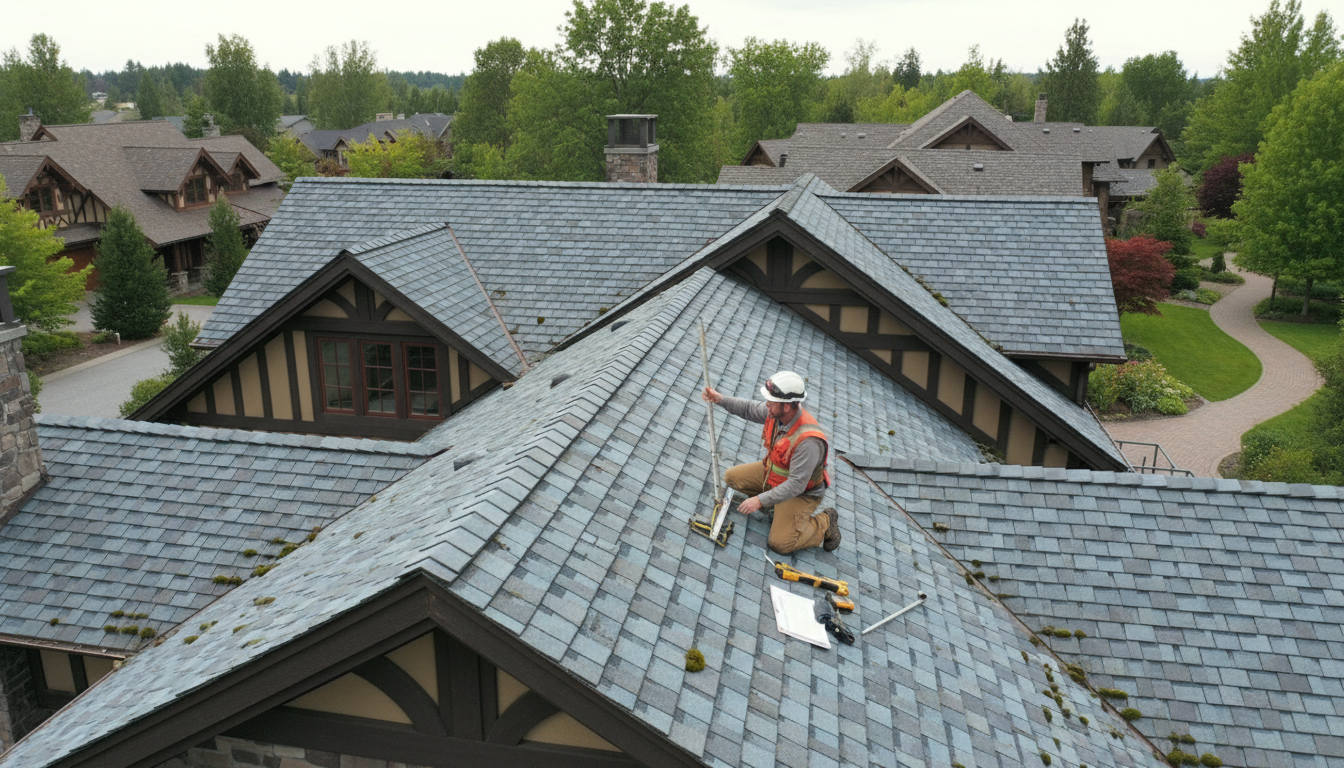
Before starting your inspection, ensure that safety is your top priority. Use a sturdy ladder and have someone spot you if possible. Avoid inspecting the roof during wet or windy conditions, as this can increase the risk of accidents. Always wear non-slip shoes for better traction.
Tools You’ll Need
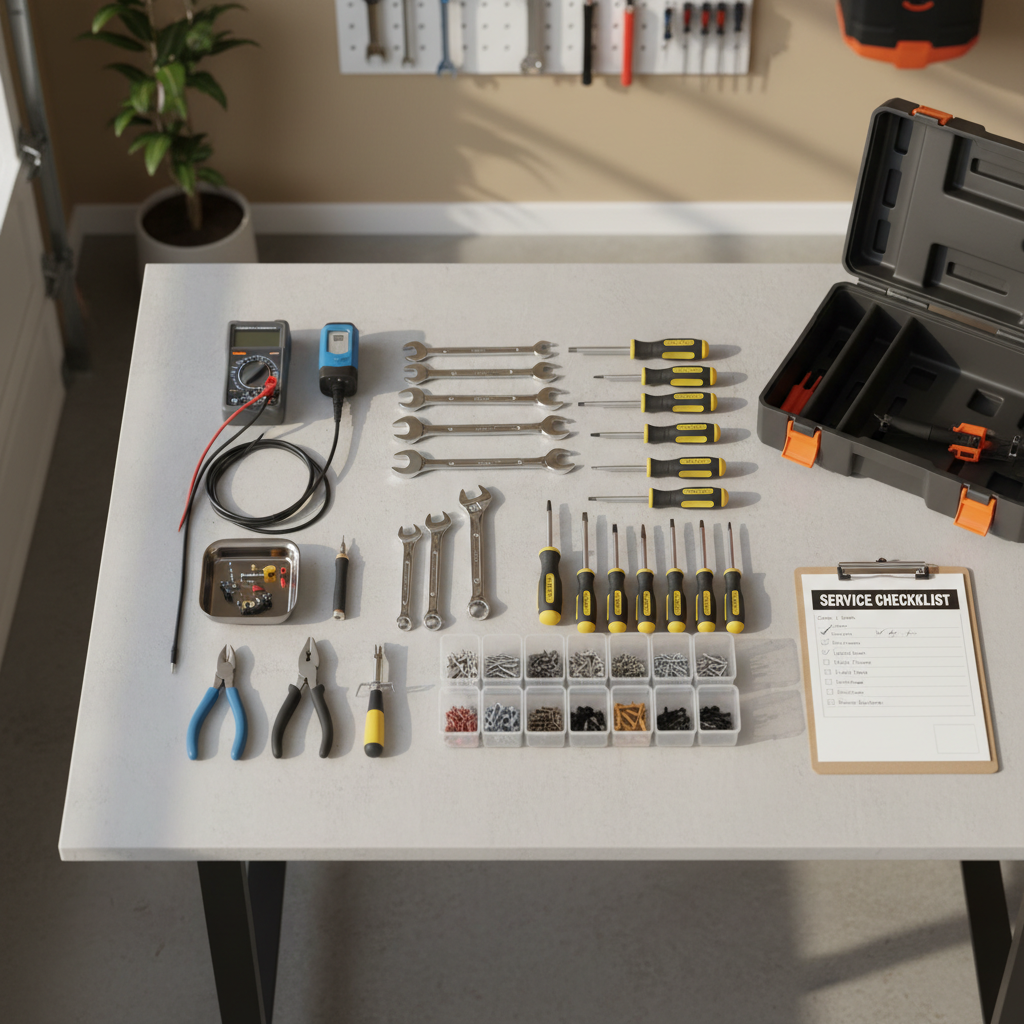
Gather the necessary tools before beginning your inspection. You’ll need a pair of binoculars, a flashlight, a notebook, and a camera or smartphone. These tools will help you document any issues you find and assist in examining hard-to-reach areas.
Exterior Roof Inspection
Start by examining your roof from the ground using binoculars. Look for missing, cracked, or curling shingles. Pay attention to areas around chimneys, vents, and skylights, as these are common spots for leaks. Check for signs of algae or moss, which can indicate moisture retention.
Inspecting the Gutters
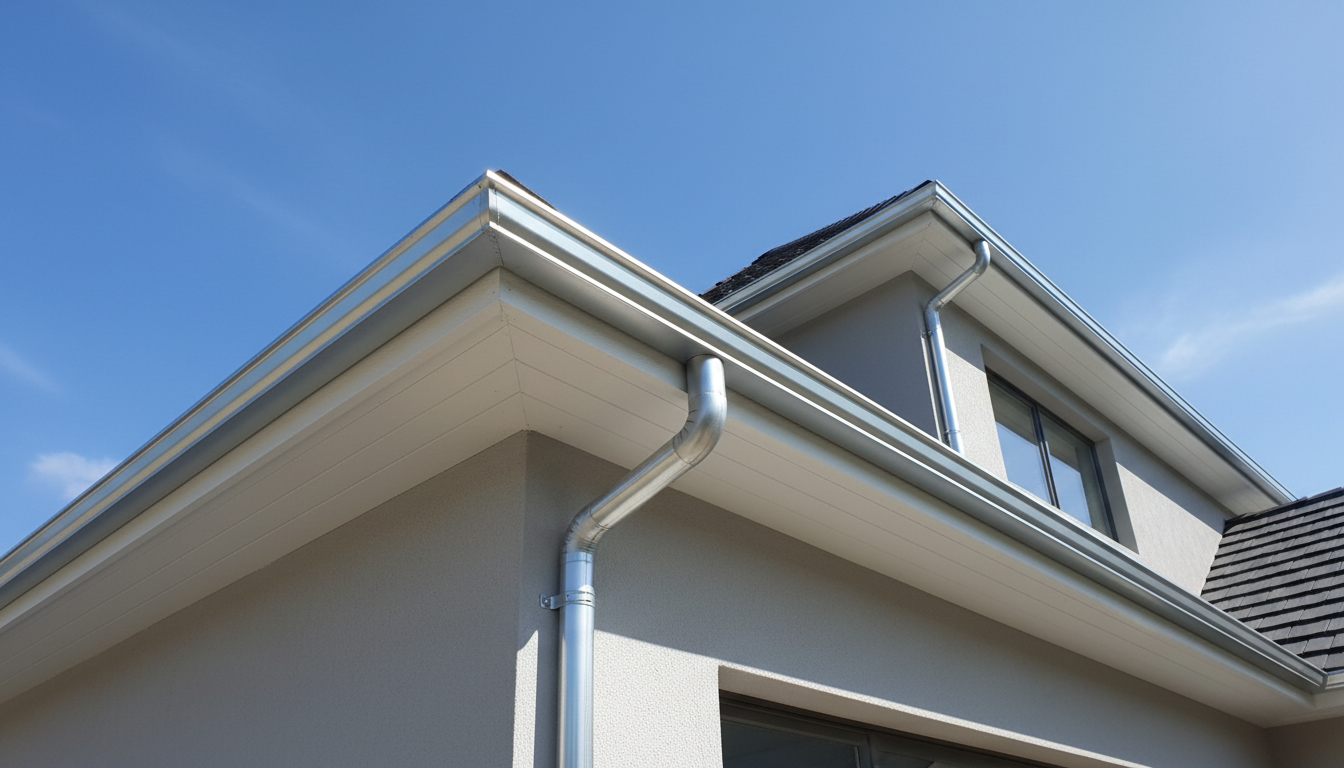
While inspecting your roof, don’t forget about the gutters. Clogged gutters can lead to water damage and leaks. Ensure that gutters are clear of leaves, twigs, and other debris. Check for signs of rust or corrosion, which might indicate the need for repairs or replacements.
Interior Roof Inspection
After examining the exterior, move inside to check your attic or top floor. Look for signs of water damage, such as stains on the ceiling or walls. Use a flashlight to inspect for any signs of mold or mildew, which can be a sign of poor ventilation or a leak.
Documenting Your Findings
During your inspection, take detailed notes and photographs of any issues you discover. This documentation can be invaluable if you need to contact a professional for repairs. It also helps track any changes over time, allowing you to address problems before they worsen.
When to Call a Professional
While a DIY inspection can help identify many potential problems, some issues require a professional’s expertise. If you find significant damage, such as large areas of missing shingles or extensive water damage, contact a roofing contractor for a comprehensive evaluation and repair.
Conducting regular DIY roof inspections can save you time and money by catching minor issues before they escalate. With the right tools and a keen eye, Dumas homeowners can ensure their roofs remain in excellent condition year-round.