The Impact of Amarillo's Climate on Roof Designs


Understanding Amarillo's Climate
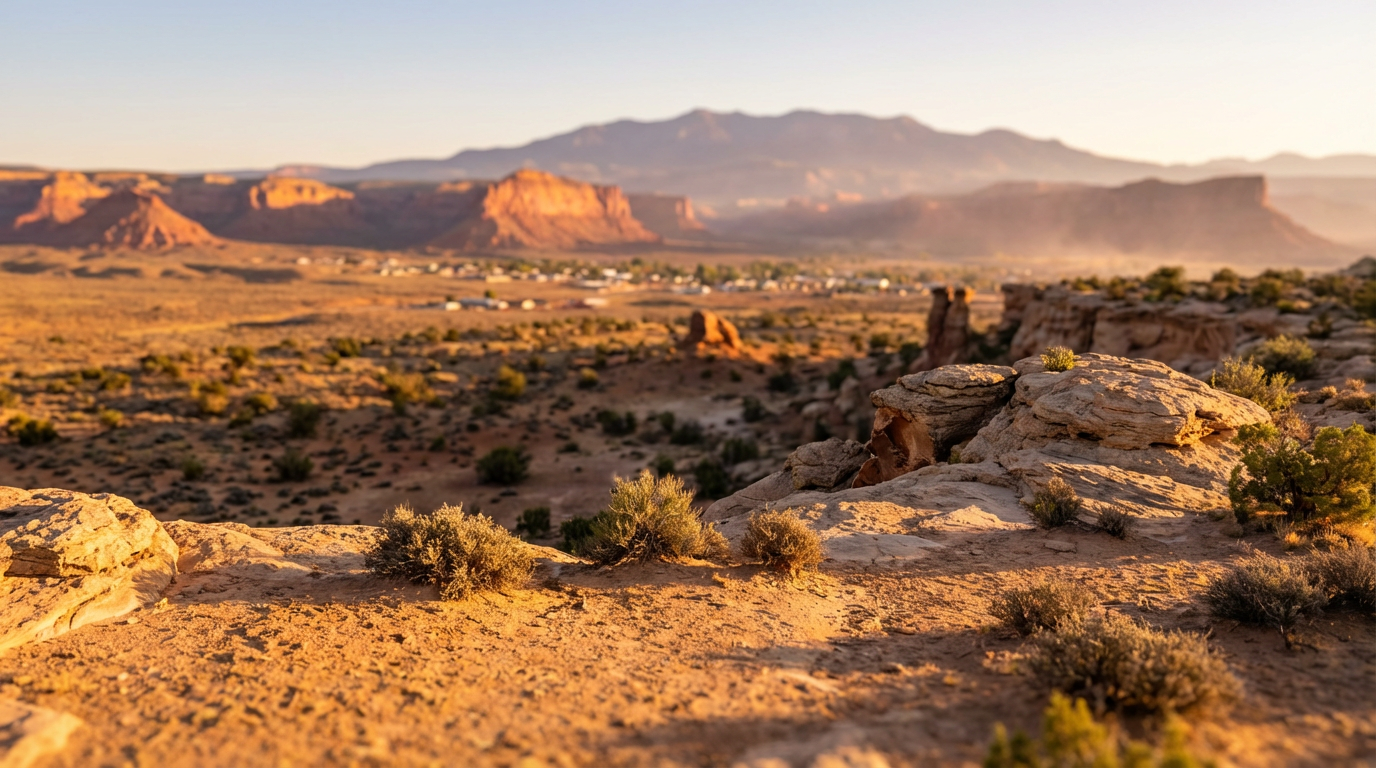
Amarillo, Texas, is known for its unique climate, characterized by hot summers, cold winters, and frequent wind. This combination of weather patterns poses distinct challenges for roof designs in the area. Homeowners and builders need to consider these factors to ensure longevity and performance of roofing materials.
Temperature Extremes and Their Effects
The temperature in Amarillo can vary dramatically, with summer highs often exceeding 90°F and winter lows dipping below freezing. These extremes can lead to thermal expansion and contraction of roofing materials, potentially causing cracks, leaks, and other forms of damage. Choosing materials that can withstand these fluctuations is crucial.
Metal roofs, for example, are popular in Amarillo due to their durability and ability to reflect sunlight, reducing heat absorption. Additionally, proper insulation and ventilation are essential to maintain a stable internal temperature and protect the roof structure.
The Role of Wind in Roof Design
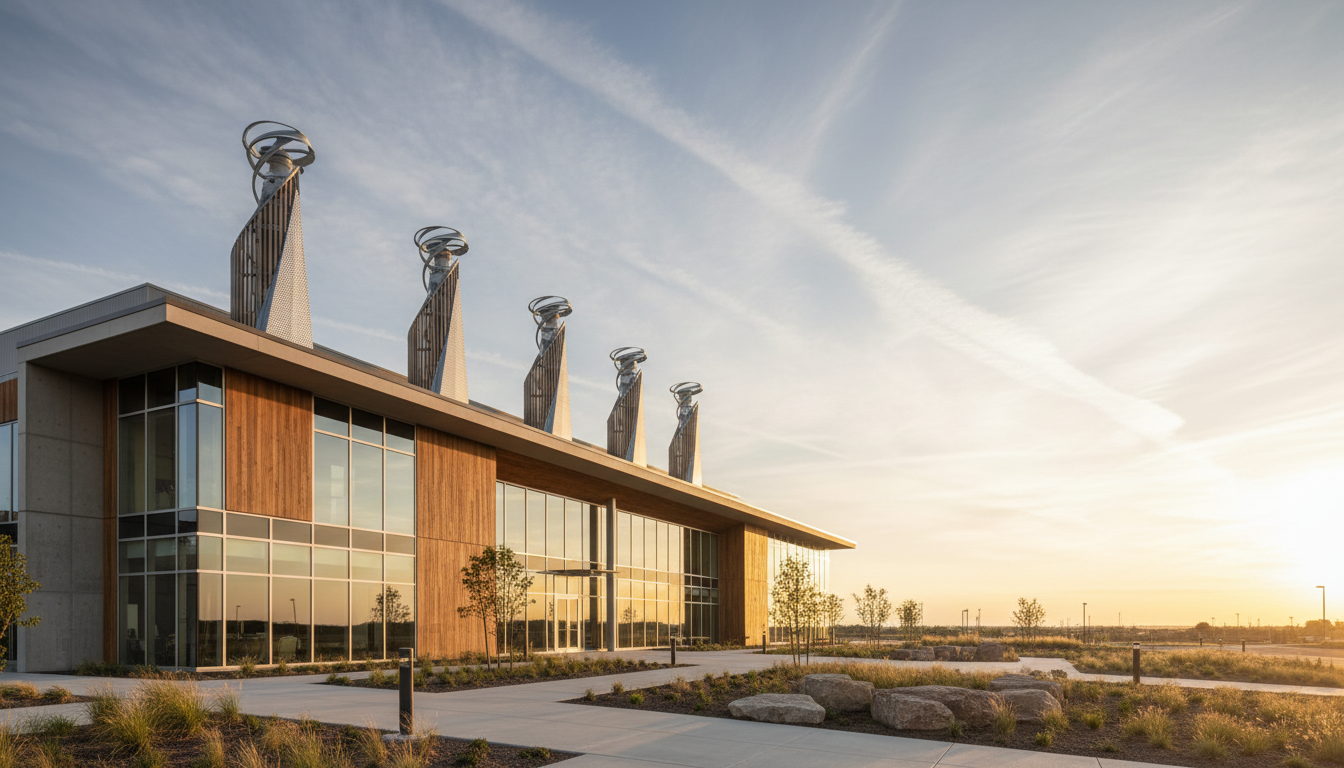
Amarillo is also noted for its strong winds, which can exceed 50 mph, especially during storms. Wind-resistant roofing designs are vital to prevent damage from uplift and debris. Roofs must be securely fastened and designed to minimize wind resistance.
Material Considerations for Wind Resistance
Asphalt shingles are a common choice, but they must be rated for high wind resistance. Metal and tile roofs can also perform well, provided they are installed with wind-resistant features. The use of hurricane clips and other reinforcement techniques can further enhance the roof's ability to withstand strong winds.
Precipitation and Water Management
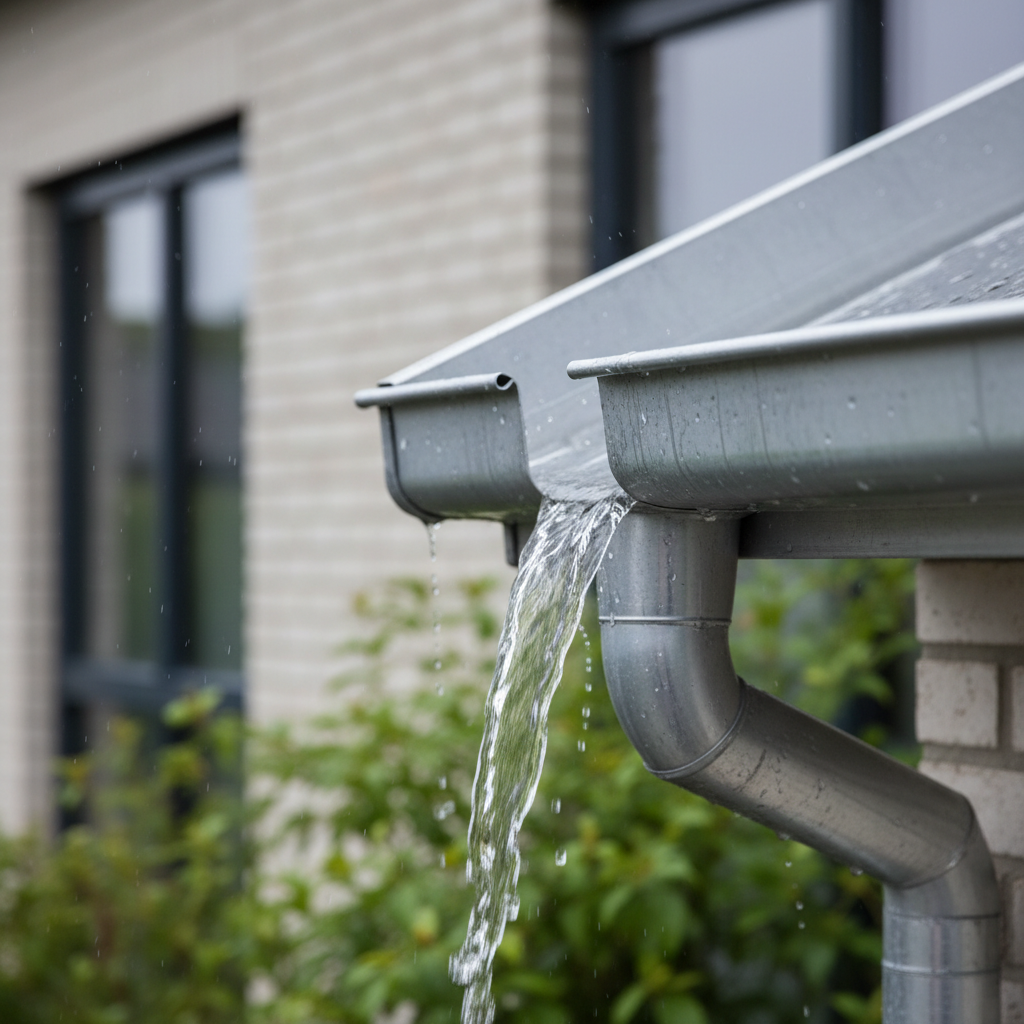
Though Amarillo is relatively dry, sudden rainstorms do occur, and proper water management is essential. Roof designs must include efficient drainage systems to prevent water pooling and subsequent leaks.
Drainage Solutions and Best Practices
Gutters and downspouts should be strategically placed and maintained to ensure they can handle heavy rainfall when it occurs. Sloped roofs are preferable as they naturally facilitate water runoff, reducing the risk of water damage.
Adapting to Local Challenges
In addition to climate considerations, local building codes and regulations must be followed. These guidelines are designed to ensure that roof designs meet the necessary safety and performance standards unique to Amarillo's environment.
Working with experienced roofing professionals who understand the local climate and regulations can help homeowners make informed decisions about roof design and materials. This collaboration ensures that roofs are not only aesthetically pleasing but also resilient and long-lasting.